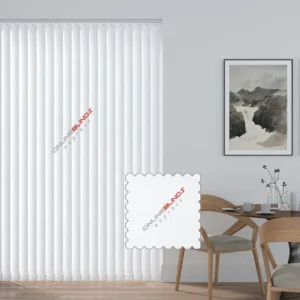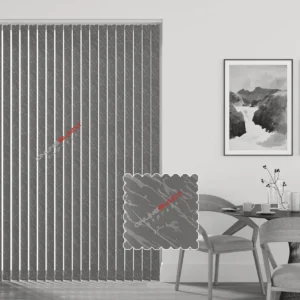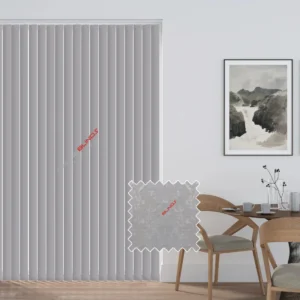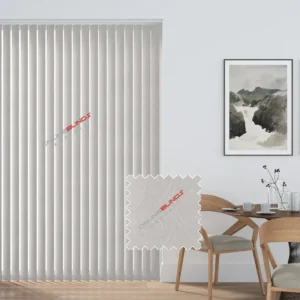
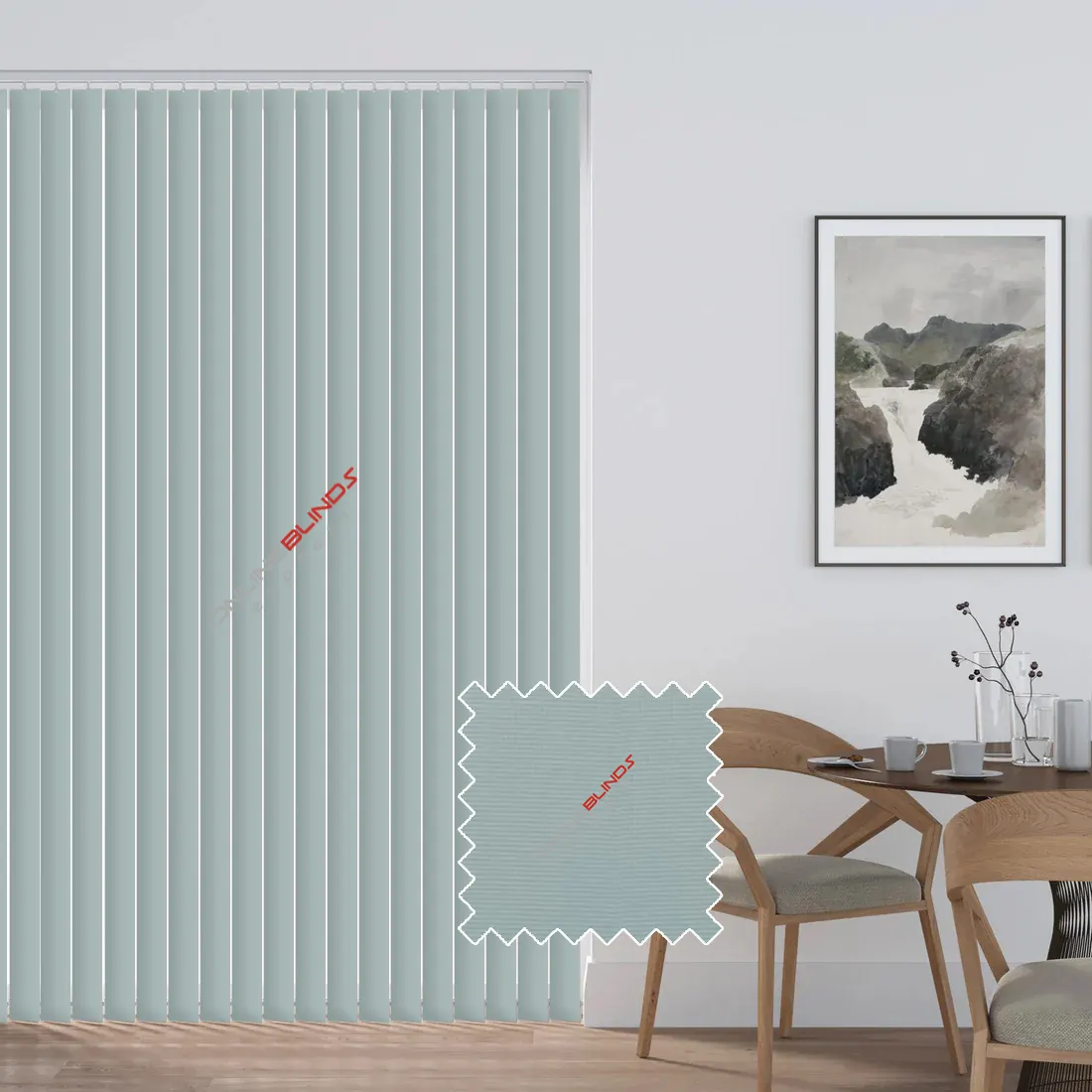
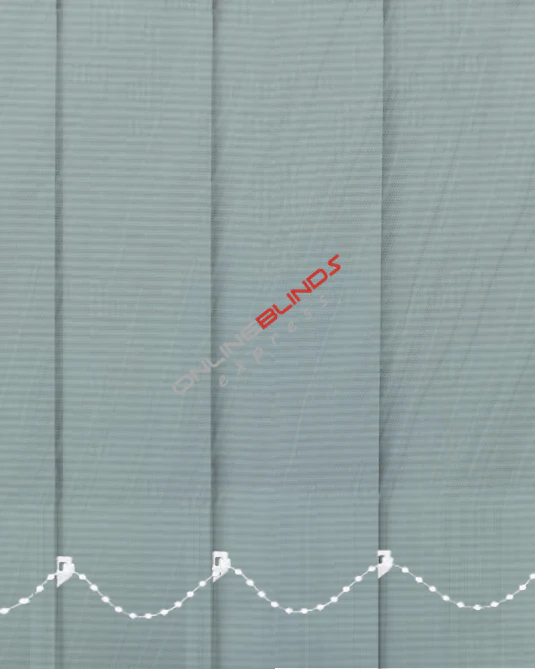
Vertical blackout blinds provide you with the privacy you need in your home. They are available in a wide range of designs and patterns, all made from premium blackout fabric that is strong, reliable, and built to last. Each blind is carefully made to ensure durability and long life.
Our vertical blackout blinds are suitable for both large and small windows. They are available to order at any time and are offered at affordable prices. You can choose from our colour chart, which includes a wide selection of high-quality shades. Depending on your preference, you can select from light-filtering fabrics or full blackout fabrics. These blinds are excellent value for all types of homes, whether large or small.
Your blind will arrive in two separate packages — one containing the slats and the other including the rail and brackets. Our courier may deliver them in split shipments, with each part arriving at different times.
Bracket Types: The blind comes with top fix brackets as standard. If preferred, you can request face fix brackets, which work well for fitting inside window frames or outside the recess.
€ 42.75
Tools you will need for measuring:
Helpful tips for accurate measurements:
Measure the exact area you want the blind to cover. To minimise light gaps, we suggest an overlap of at least 70mm above the window recess and 50mm on each side. The overlap at the bottom is based on personal choice, but remember to account for obstacles such as radiators. Always use a metal tape measure, as cloth tapes can stretch and give inaccurate results.
If you want the blind to fit inside the window recess, measure the full width and height of the recess. Record the smallest of the three measurements taken for both width and drop, as this ensures accuracy. Do not make any deductions yourself — we will do this for you to guarantee a perfect fit. Once again, use a steel tape for accuracy, as fabric ones may bend and stretch.
Before starting, ensure you have the following items supplied with your blind:
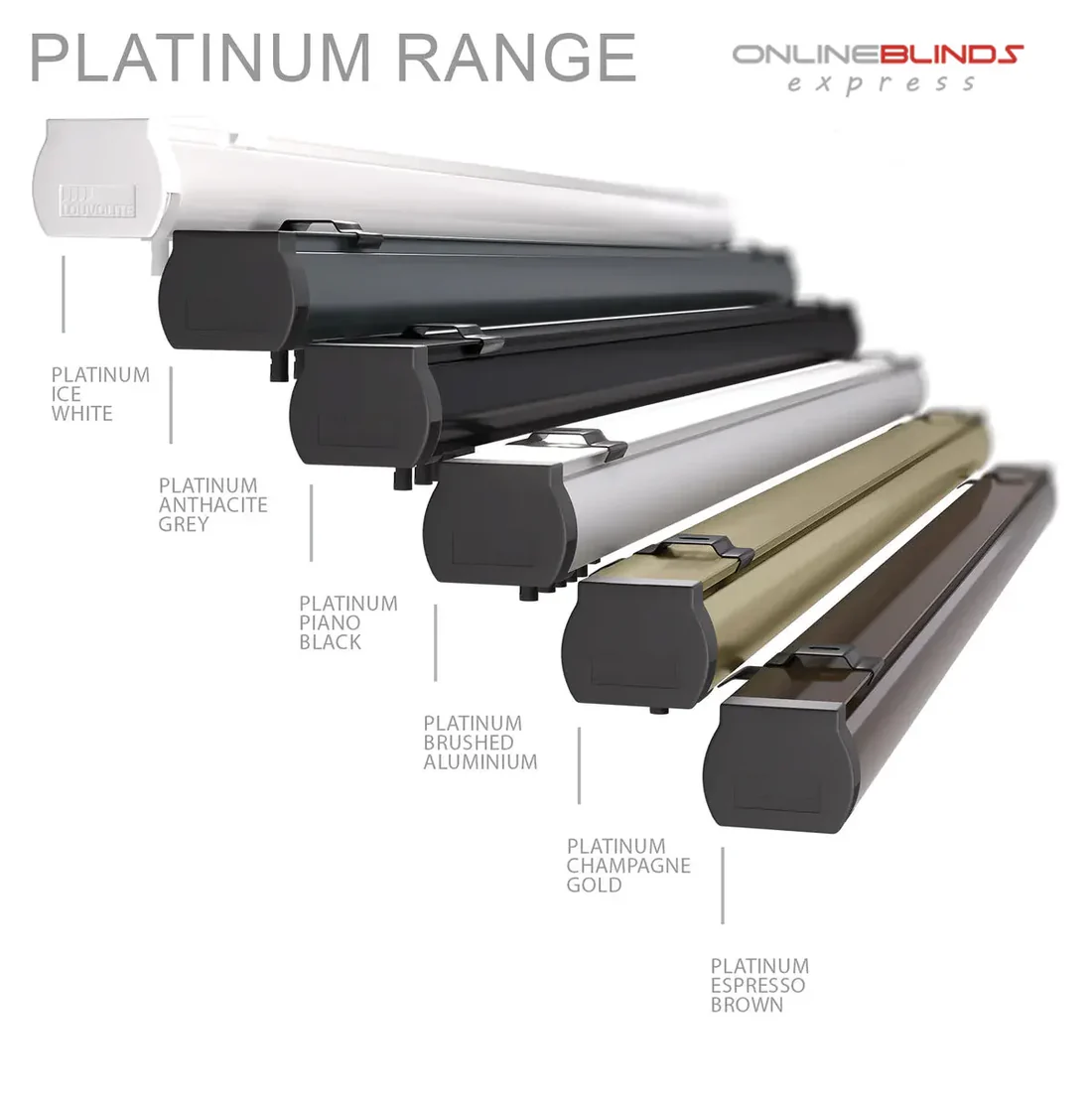
Position the brackets around 5cm from each end where the headrail will be fitted. If you have more than two brackets, space them evenly across the blind. Make sure the fixings are suitable for the type of wall or surface. To secure, hook the back of the headrail into the bracket, rotate into place, and tighten the small screw at the front of the bracket.
Mark the correct distance to allow clearance for obstacles such as handles that extend into the recess. Place the brackets around 10cm from each end of the headrail. If more than two are supplied, fit the extra brackets evenly across the blind. Always ensure your fixings are suitable for the surface. Tilt and hook the headrail into the bracket, then rotate until it clicks into place. To remove, press the release point on the bracket.