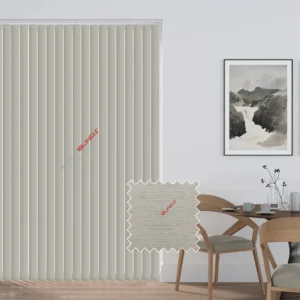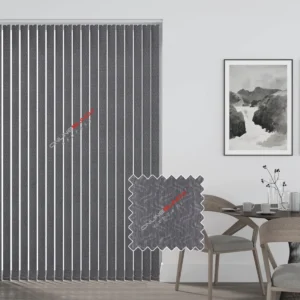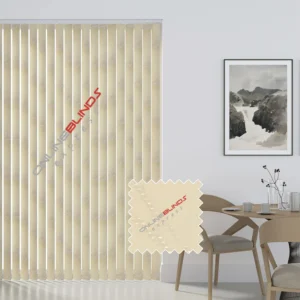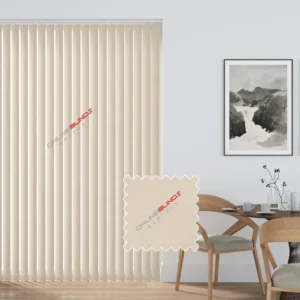
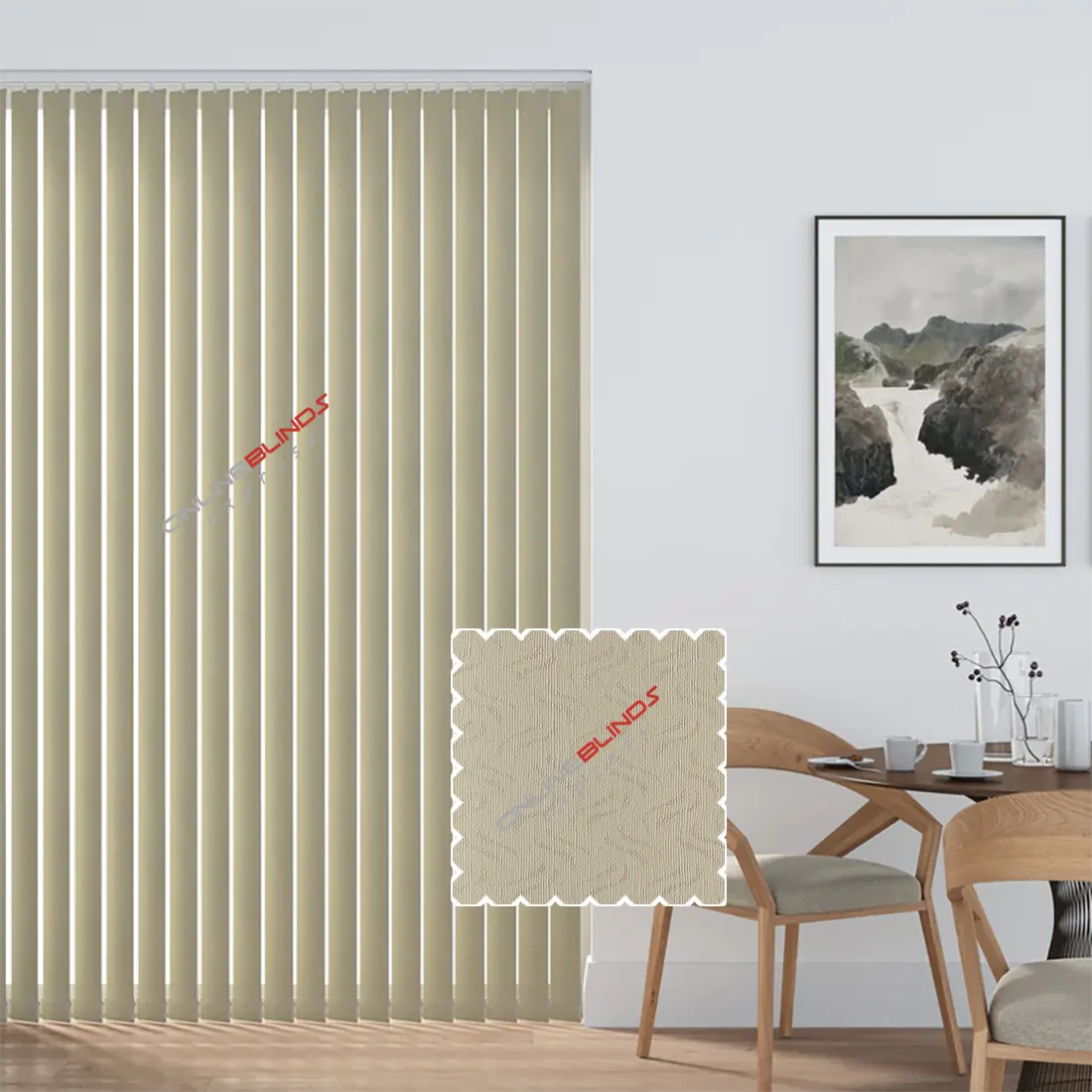
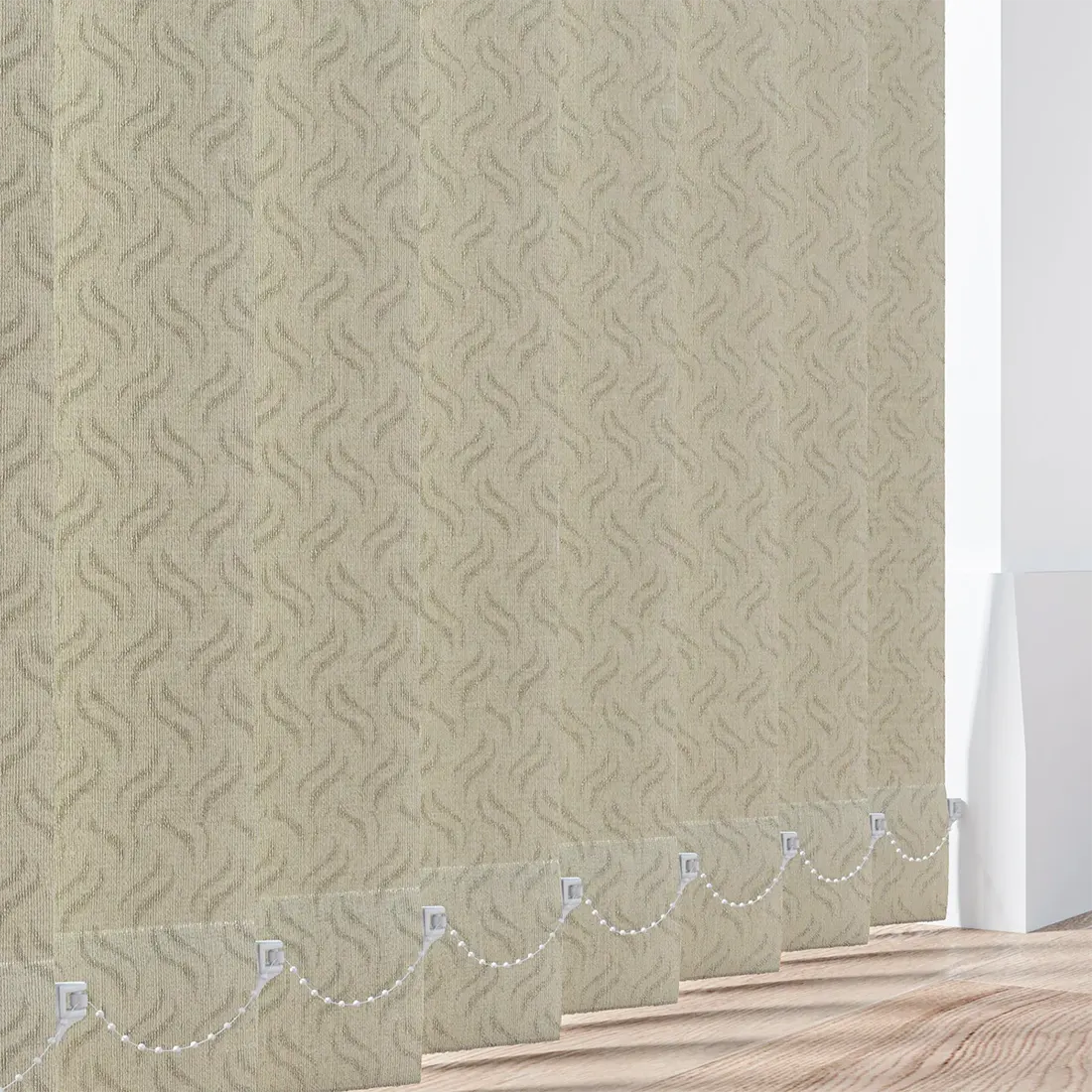

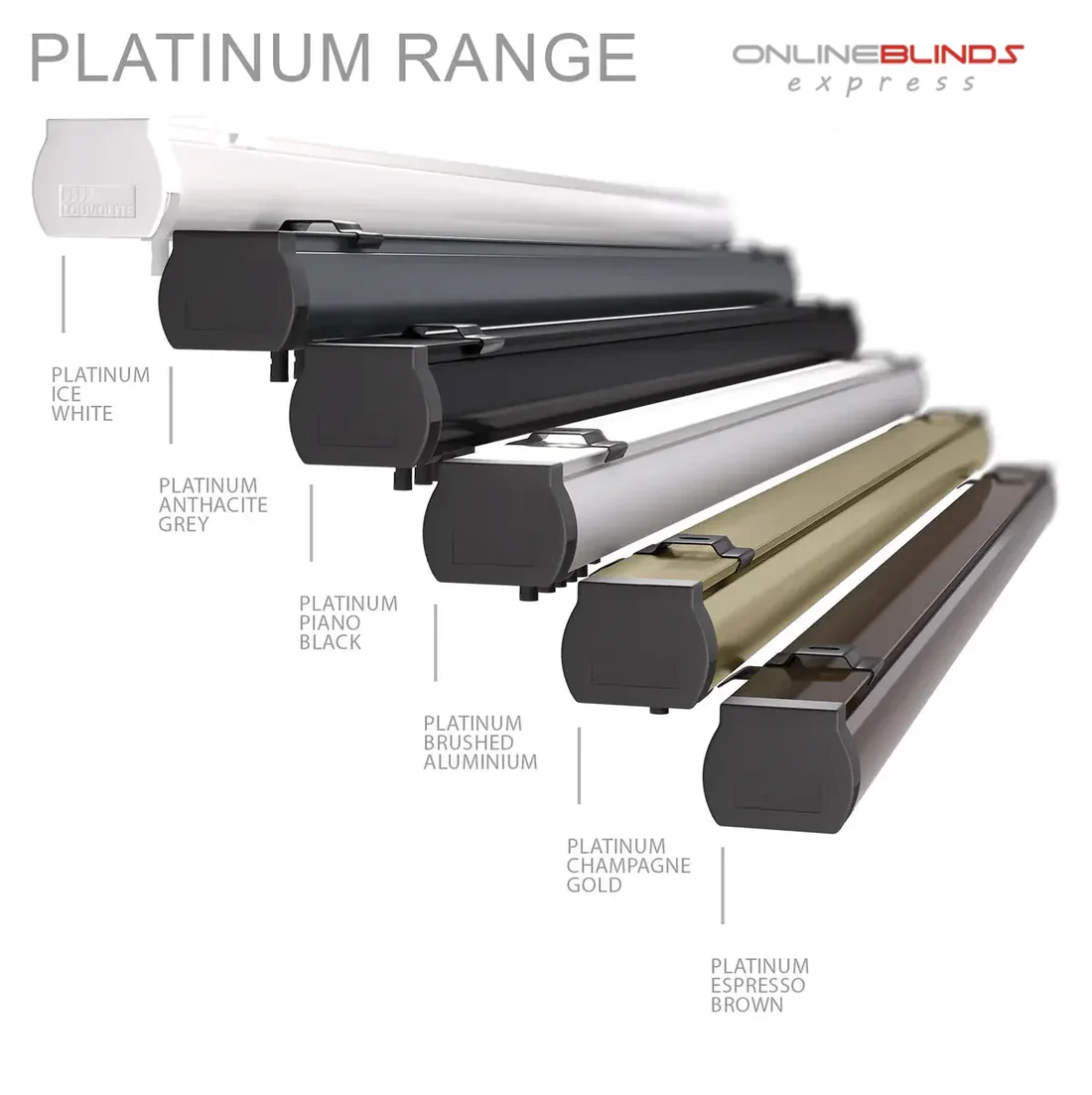
Bring both practicality and style into your room with vertical blinds, a modern way to dress any window. These blinds are designed with neat vertical slats that come in a wide choice of fabrics, textures, and colours, so you can easily match them with the look of your home or workplace.
Made with ease of use in mind, vertical blinds let you take full control over how much light and privacy you want. Thanks to a simple tilt system, you can smoothly turn the slats until you find just the right setting between sunlight and shade.
Strong and low maintenance, these blinds are produced from durable materials that stand up well against daily use. Their practical design and smart appearance make them a reliable option for both residential and commercial spaces.
€ 42.64
Tools you will need for measuring:
Tips for accurate measurements:
When measuring for an outside recess, take the exact size of the area you would like the blind to cover. To reduce light coming through at the edges, allow the blind to extend at least 70mm above the recess and 50mm on each side.
The overlap at the bottom is up to you, but do keep in mind any obstacles such as radiators. Always use a steel tape measure rather than a fabric one, which can bend and give the wrong size.
If you want the blind to sit inside the window recess, measure the full width and drop of the recess (the size of the opening). We will then make the necessary allowances to achieve the correct fit.
Take three measurements for both the width and the drop, and use the smallest figure for each. Do not make your own deductions, as we will handle that part to ensure the blind fits neatly. Again, always use a steel tape for best accuracy.
Make sure you have all of the following items included with your blind:
To fit the blind using a face fix, place the brackets about 5cm in from each end of where the headrail will sit. If extra brackets are supplied, position them evenly across the length of the rail. Make sure your fixings are secure and suitable for the wall or surface you are attaching to.
Hook the back of the headrail into the bracket, rotate it into place, and then tighten the small screw at the front of the bracket to lock it securely.
For a top fix fitting, first check the distance needed to clear any handles or fittings that may stick out into the recess. Place the brackets about 10cm in from the ends of where the headrail will go. If you have more than two brackets, space them out evenly along the rail. Make sure the fixings are suitable for the surface you are drilling into.
Insert the headrail into the bracket and rotate it into place until it clicks. To remove the headrail, push the release point on the bracket.