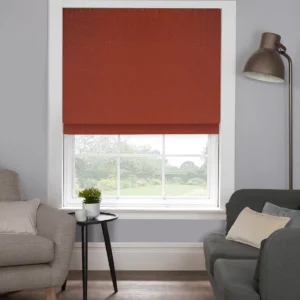
Effortless Style: Tranquil Natural Roman Blind – Pure and Simple Design

Effortless Style: Tranquil Natural Roman Blind – Pure and Simple Design

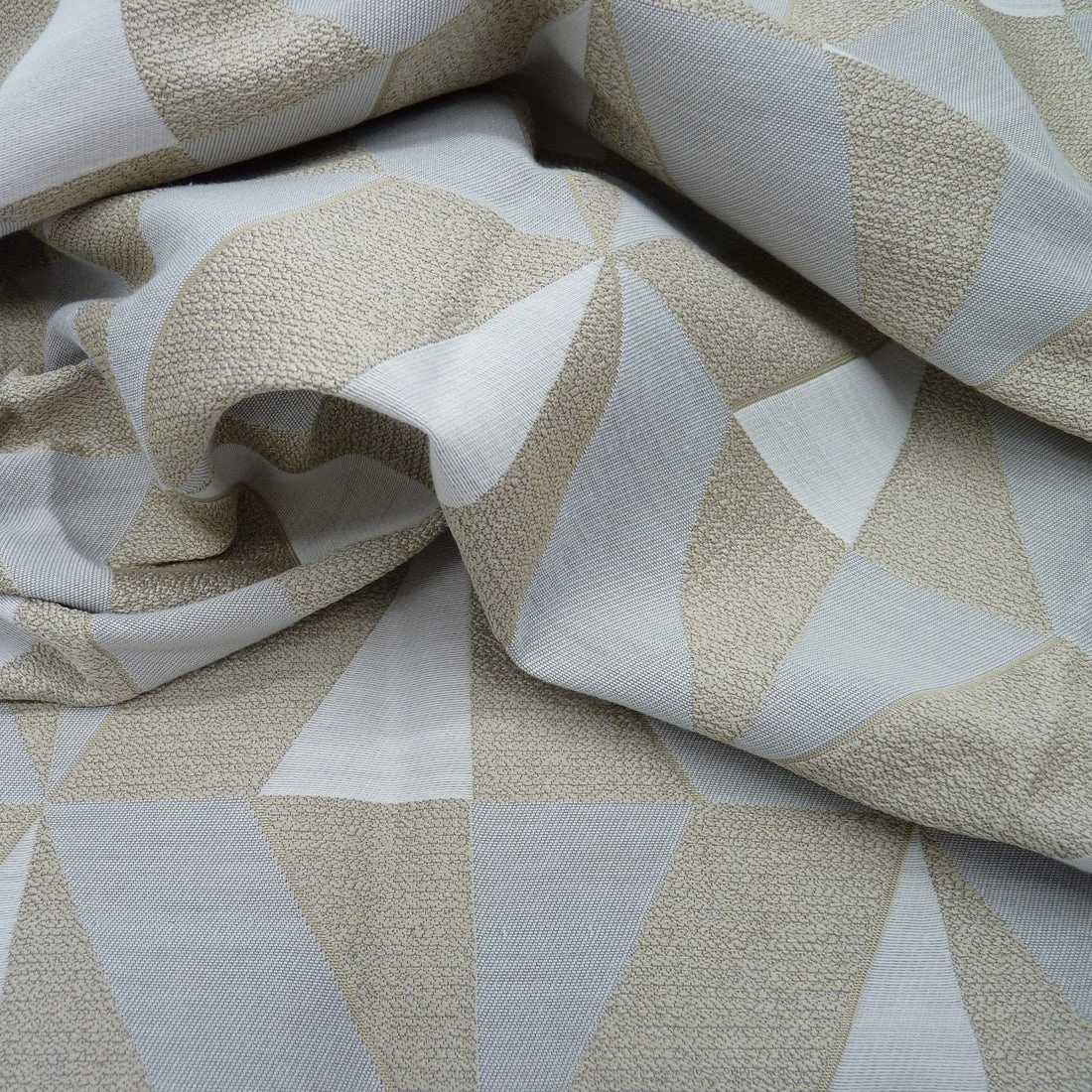
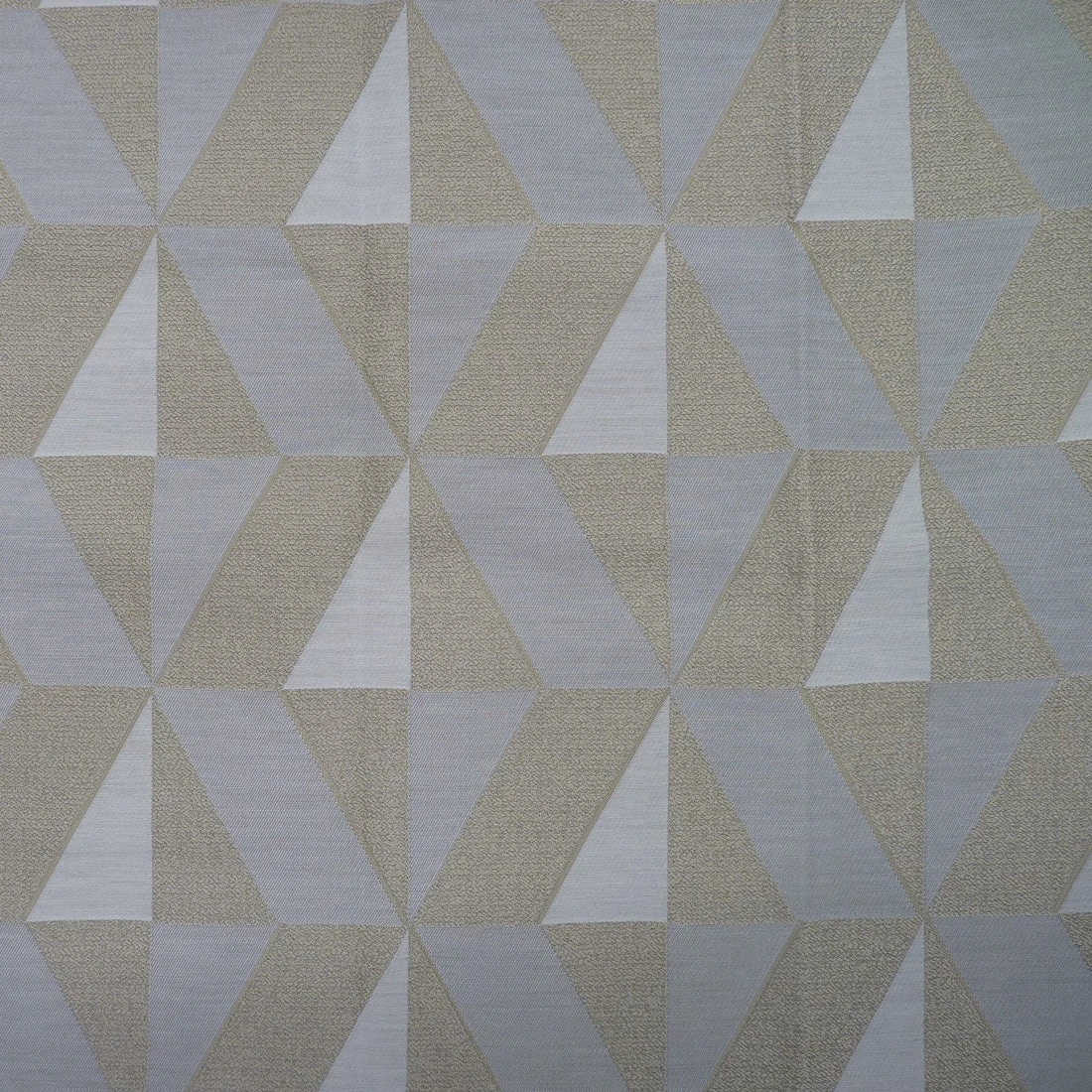
Create a warm and balanced look in your home with the Tranquil Natural Roman Blind, available exclusively from Blinds Artist. Its soft, natural shade brings calmness and versatility, making it a great choice for rooms styled with minimal dΓ©cor, nature-inspired colours, or traditional designs.

The natural tone blends smoothly with a wide variety of colour schemes, whether it’s fresh whites, cool greys, rustic wood shades, or soft pastels. This blind is ideal for living rooms, kitchens, bedrooms, or any space where you want to enjoy gentle light, a touch of texture, and a calm, welcoming feel.

Made from high-quality fabric with a smooth woven texture, the Tranquil Natural Roman Blind offers both beauty and practicality. The Roman fold design gives neat pleats when pulled up and a graceful drape when lowered. With its simple lifting mechanism, you can easily adjust light levels and privacy throughout the day.

 115.26


Total Price:  115.26

Tools You Will Need to Measure Vertical Blinds

  • A steel measuring tape
  • A pencil to mark and note your measurements
  • A sheet to record all details
  • A ladder (if needed) for tall windows

Tips for Accurate Measurements

  • Be careful not to confuse width with height when writing them down. Mixing them up could result in blinds that do not fit properly.
  • If you are measuring more than one window, check each one individually rather than assuming they are the same size. Even small differences can affect how well the blinds fit.

Measuring Outside the Recess

  • Measure the full size of the area you want the blind to cover. To reduce light coming through, it is best for the blind to overlap the window recess by at least 70mm at the top and 50mm at each side.
  • The bottom overlap is your choice, but remember to consider items like radiators that might be in the way.
  • Always use a metal tape measure. Fabric ones may bend or stretch, which could lead to incorrect measurements.

Measuring Inside the Recess

  • Take this measurement if you want the blind to sit neatly inside the window recess. Measure the full width and height of the recess (essentially the size of the opening), and we will make the necessary reductions so it fits perfectly.
  • Measure the width and height in three different places. Always use the smallest figure.
  • Do not make any reductions yourself, as we will do that for you.
  • Again, use a metal tape measure to avoid errors that fabric ones can cause.

Before you start, make sure you have all the parts that come with your vertical blind.

Extra Equipment You Will Need:

  • 2 top fix brackets
  • 2 face fix brackets
  • 1 hanger
  • 1 Allen key
  • 2 stabilising chains
  • 1 safety hook
  • 4 wood screws
  • 1 weight
  • A pencil
  • Screws
  • A drill with the correct bits
  • A crosshead screwdriver
  • A metal tape measure

Face Fix

  • Place the brackets about 5cm from each end of where the headrail will sit. If more than two brackets are included, fit the extra ones evenly along the blind. Make sure the fixings are suitable for the wall or surface.
  • To install, hook the back of the headrail into the bracket and rotate it into position. Secure the headrail by tightening the small screw at the front of the bracket.

Top Fix

  • Measure and mark the spots carefully, making sure to leave enough space for any window handles or obstructions in the recess. Place the brackets roughly 10cm from each end of the headrail position, ensuring they clear the window handle. If more than two brackets are supplied, fit the extras evenly across the length of the blind. Always check that your fixings suit the type of wall or surface.
  • Tilt and hook the headrail into the bracket, then rotate it into position until it clicks into place. To remove the headrail, press the bracket at the release point.