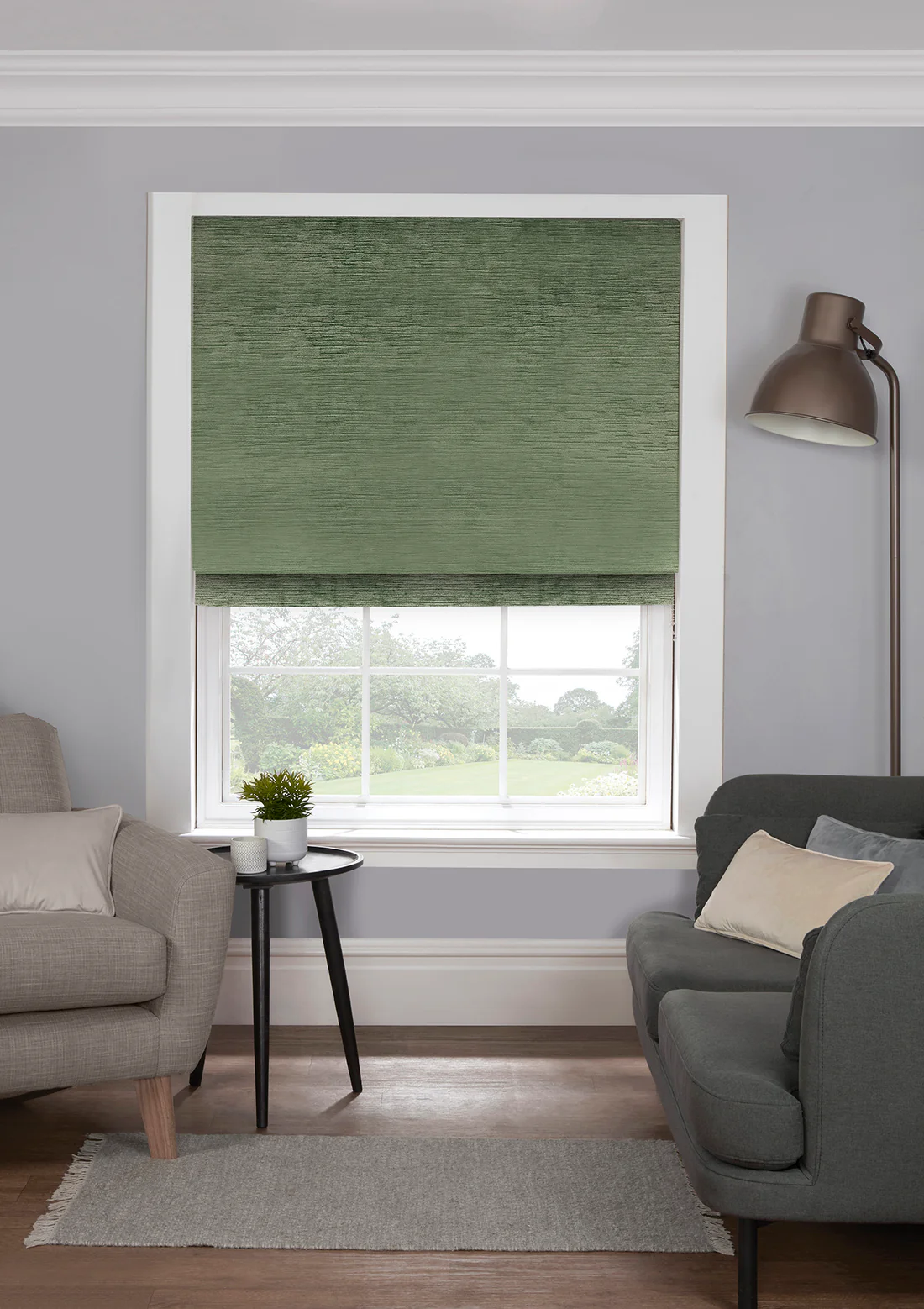
Bring a sense of nature into your home with the Litie Turtle Roman Blind, available exclusively from Blinds Artist. This blind features a soft, earthy green shade inspired by forest colours, adding gentle tone and peaceful style to any room. It creates the perfect balance of modern design and natural charm.
The Litie Turtle colour is ideal for anyone looking for a grounded, organic feel. It works well in living rooms, bedrooms, or home offices. The calming green blends beautifully with neutral shades, wooden finishes, and natural textures, giving your space a relaxing and timeless atmosphere.
Made from durable, high-quality fabric, the Litie Turtle Roman Blind combines elegance with practical use. Its classic Roman fold design forms neat pleats when raised and a smooth, flowing drape when lowered. The reliable mechanism and smooth operation allow you to control light and privacy effortlessly throughout the day.
€ 115.26
Tools needed for measuring vertical blinds:
Tips for accurate measurements:
Measure the total area you want the blind to cover. To reduce light gaps, it is recommended that the blind overlaps the window recess by at least 70mm at the top and 50mm on each side.
The overlap at the bottom is up to personal preference, but remember to consider any obstacles such as radiators. Always use a metal tape measure, as fabric tapes can stretch or bend, giving inaccurate measurements.
If you prefer your blind to fit inside the window recess, measure the full width and height of the opening. We will then make the necessary deductions to ensure a perfect fit.
Take measurements in three places for both the width and the drop, and use the smallest figures. Do not make any deductions yourselfโwe will do this for you to achieve the correct fit. Always use a metal tape measure for accuracy.

Before starting, check that you have the following items supplied with your vertical blind:
Extra equipment you will need:
Place the brackets about 5cm from each end of where the headrail will sit. If you have more than two brackets, position the extra ones evenly along the length of the blind. Make sure the fixings you use are suitable for the surface you are attaching them to.
Hook the back of the headrail into the bracket and rotate it into place. Secure the headrail by tightening the short screw on the front of the bracket.
Measure and mark the positions carefully to allow for obstacles like window handles that stick out into the recess. Place the brackets approximately 10cm from each end of the headrail so that they clear any handles. If there are more than two brackets, space the others evenly along the blind. Ensure all fixings are suitable for the wall or surface.
To attach, tilt the headrail and hook it into the bracket. Rotate it until it clicks into place. To remove, push the bracket release point.