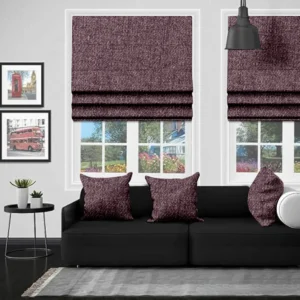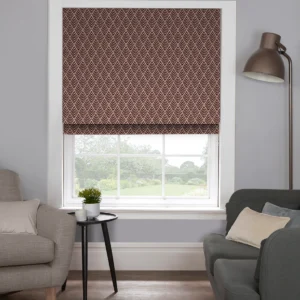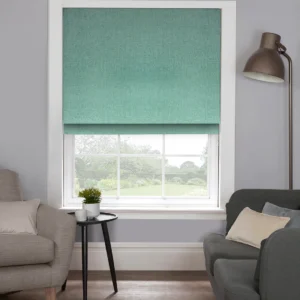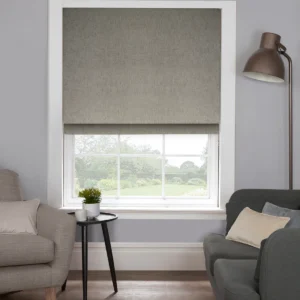
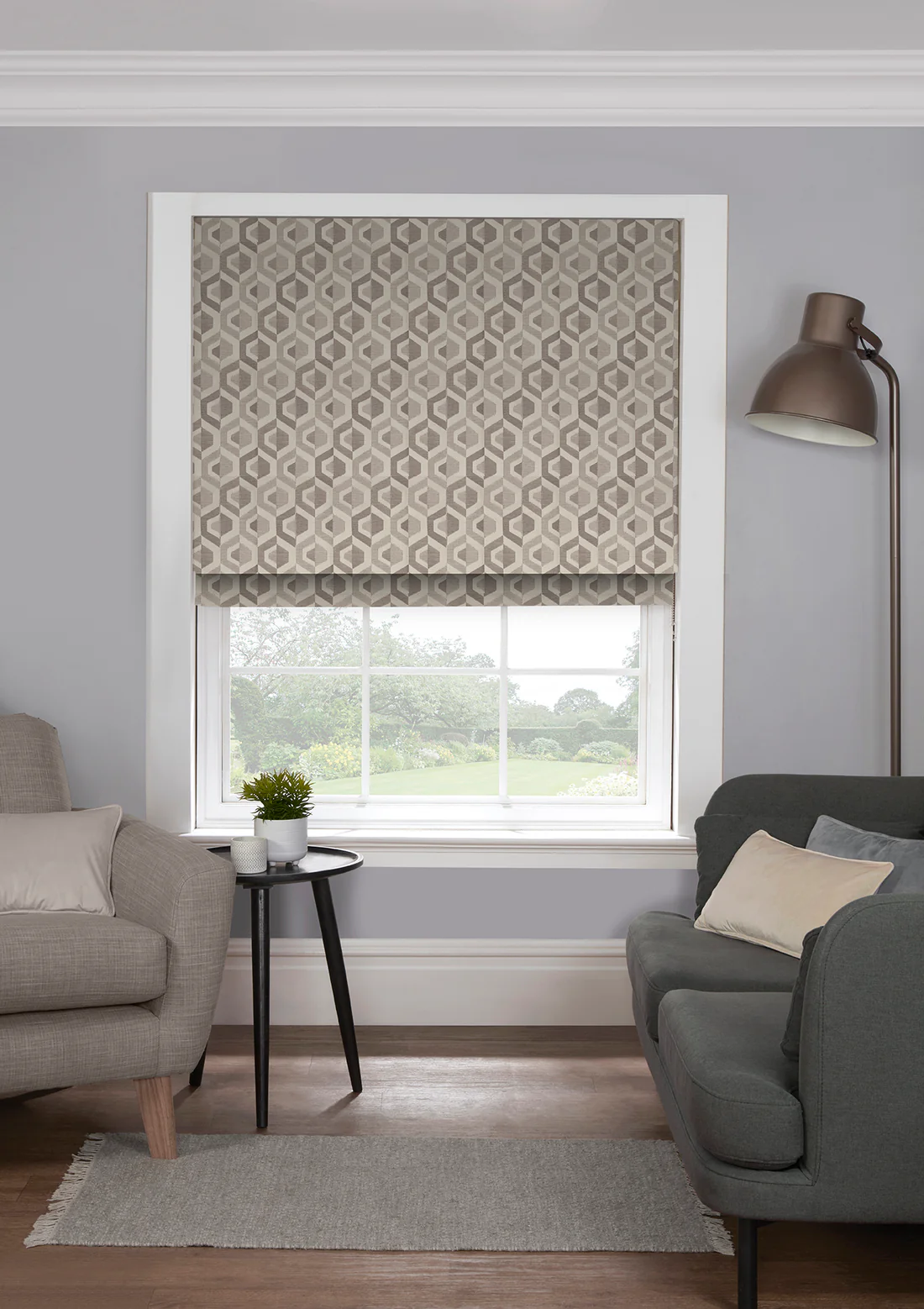

Bring the relaxed charm of the Mediterranean into your home with the Santorini Grey Roman Blind, offered exclusively by Blinds Artist. Taking inspiration from the soft, breezy shades of the Greek islands, this blind showcases a calming grey tone with a delicate textured finish, adding subtle elegance to any room.
The Santorini Grey colour works beautifully as a cool, neutral shade that blends easily with crisp coastal whites, ocean-inspired blues, warm wood tones, and earthy shades. It is equally suited to both modern and traditional décor, making it an ideal choice for living rooms, bedrooms, kitchens, or even bathrooms where a sense of calm and style is desired.
Made from premium-quality fabric, the Santorini Grey Roman Blind combines practicality with timeless beauty. Its Roman fold design forms tidy pleats when lifted and a smooth, graceful drape when lowered. The smooth operating system allows you to adjust light and privacy with ease, making it as functional as it is stylish.
€ 126.79
Measure the total area that you want the blind to cover. To help block out more light, it is recommended that the blind extends at least 70mm above the window recess and 50mm to each side.
The overlap at the bottom is down to personal preference, but do take into account any obstacles such as radiators. Always use a steel tape measure, as fabric ones may stretch or bend, leading to inaccurate results.
If you want the blind to fit neatly inside the recess, measure the full width and height of the opening. Adjustments will be made afterwards to ensure a neat and proper fit.
Take three measurements across both the width and the drop, then use the smallest measurement in each case. Do not make any deductions yourself, as this will be done for you to achieve the best fit. As before, always use a metal tape measure to avoid errors.
Make sure you have all the fittings and equipment included with your vertical blind:
Extra equipment needed for fitting:
Position the brackets about 5cm from each end of where the headrail will be placed. If you have more than two brackets, space the extra ones evenly across the blind’s length. Always check that your fixings are right for the type of wall or surface you are attaching them to.
Hook the back of the headrail into the bracket, then rotate it into place. Tighten the small screw at the front of the bracket to hold the headrail securely.
Mark your fixing points carefully, making sure to leave space for handles or other parts that may stick out into the recess. Place the brackets around 10cm from each end of the headrail so they clear the window handles. If more than two brackets are provided, fit the extras evenly across the full length of the blind. Check that your fixings are suitable for the wall or surface before securing.
Tilt and hook the headrail into the bracket, then rotate it until it clicks into place. To release it later, press the bracket at the release point.