Golden Glow: Litie Honey Roman Blind – Warmth, Style and Comfort Combined

Golden Glow: Litie Honey Roman Blind – Warmth, Style and Comfort Combined

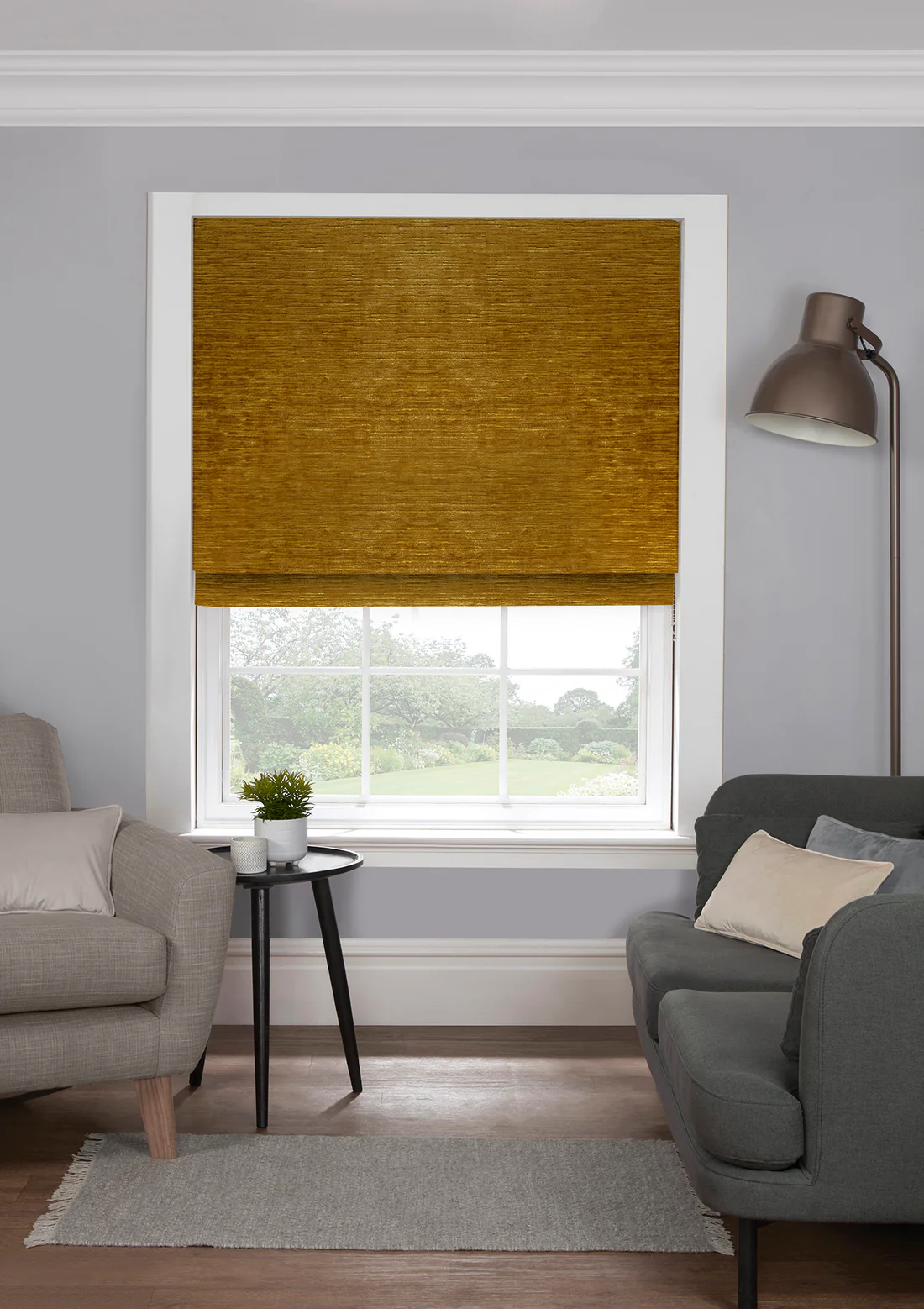
Bring a gentle, golden charm to your home with the Litie Honey Roman Blind, available exclusively from Blinds Artist. This blind features a soft honey-coloured fabric that adds warmth, depth, and a subtle glow, enhancing the comfort of any room.

The Litie Honey shade works beautifully in cosy living rooms, inviting kitchens, or peaceful bedrooms. It enhances natural light while introducing a rich, welcoming tone to your interior. This blind pairs well with earthy neutrals, deep blues, and natural wood finishes, making it a flexible choice for both classic and modern dΓ©cor styles.

Crafted from high-quality, durable materials, the Litie Honey Roman Blind combines timeless design with practical functionality. Its smooth Roman fold creates neat, tailored pleats when raised and a flowing, elegant drape when lowered. The easy-to-use mechanism provides simple control over light and privacy, allowing you to adjust the room’s atmosphere with minimal effort.

 115.26


Total Price:  115.26

Tools You Will Need for Vertical Blinds

  • Steel tape measure
  • Pencil for marking and noting measurements
  • Worksheet to record sizes
  • Ladder (if required) for tall windows

Tips for Accurate Measurement

  • Do not confuse width and height measurements, as swapping them can cause the blind not to fit.
  • For multiple windows, do not assume all sizes are identical. Measure each window individually because even small differences can affect the blind’s fit.

Measuring for Outside Recess

  • Measure the exact area you want the blind to cover.
  • To reduce light gaps, allow the blind to overlap the window recess by at least 70mm at the top and 50mm on each side.
  • The bottom overlap is your choice, but consider obstacles such as radiators.
  • Use a metal tape measure, as cloth tapes can stretch and bend, giving inaccurate results.

Measuring for Inside Recess

  • Measure the full width and height of the recess if you want the blind to sit inside it.
  • Take measurements in three places for both width and drop, and use the smallest figure.
  • Do not make any deductions; these will be made to ensure a perfect fit.
  • Always use a metal tape measure to avoid errors.

Before you start, make sure you have all the components that come with your vertical blind.

Extra Equipment Needed

  • Top fix brackets x2
  • Face fix brackets x2
  • Hangers x1
  • Allen key x1
  • Stabilising chain x2
  • Safety hook x1
  • Wood screws x4
  • Weight x1
  • Pencil
  • Screws
  • Drill with appropriate bits
  • Crosshead screwdriver
  • Metal tape measure

Face Fix

  • Position the brackets about 5cm from the ends where the headrail will be installed. If more than two brackets are supplied, space the remaining ones evenly along the length.
  • Make sure the fixings are suitable for the wall or surface.
  • Hook the back of the headrail into the bracket, rotate it into position, and secure it by tightening the short screw at the front of the bracket.

Top Fix

  • Measure and mark positions to avoid obstacles such as window handles.
  • Place the brackets around 10cm from the ends of the headrail to clear handles. If more than two brackets are provided, fit the extra ones evenly along the blind.
  • Ensure the fixings are suitable for the wall or surface.
  • Hook the headrail into the bracket and rotate it until it clicks. To remove, press the release point on the bracket.