


Please provide the full wall-to-wall measurements for both the width and the drop of your blinds. The warehouse will then make the necessary deductions for you. We cannot send your order until we receive these measurements.
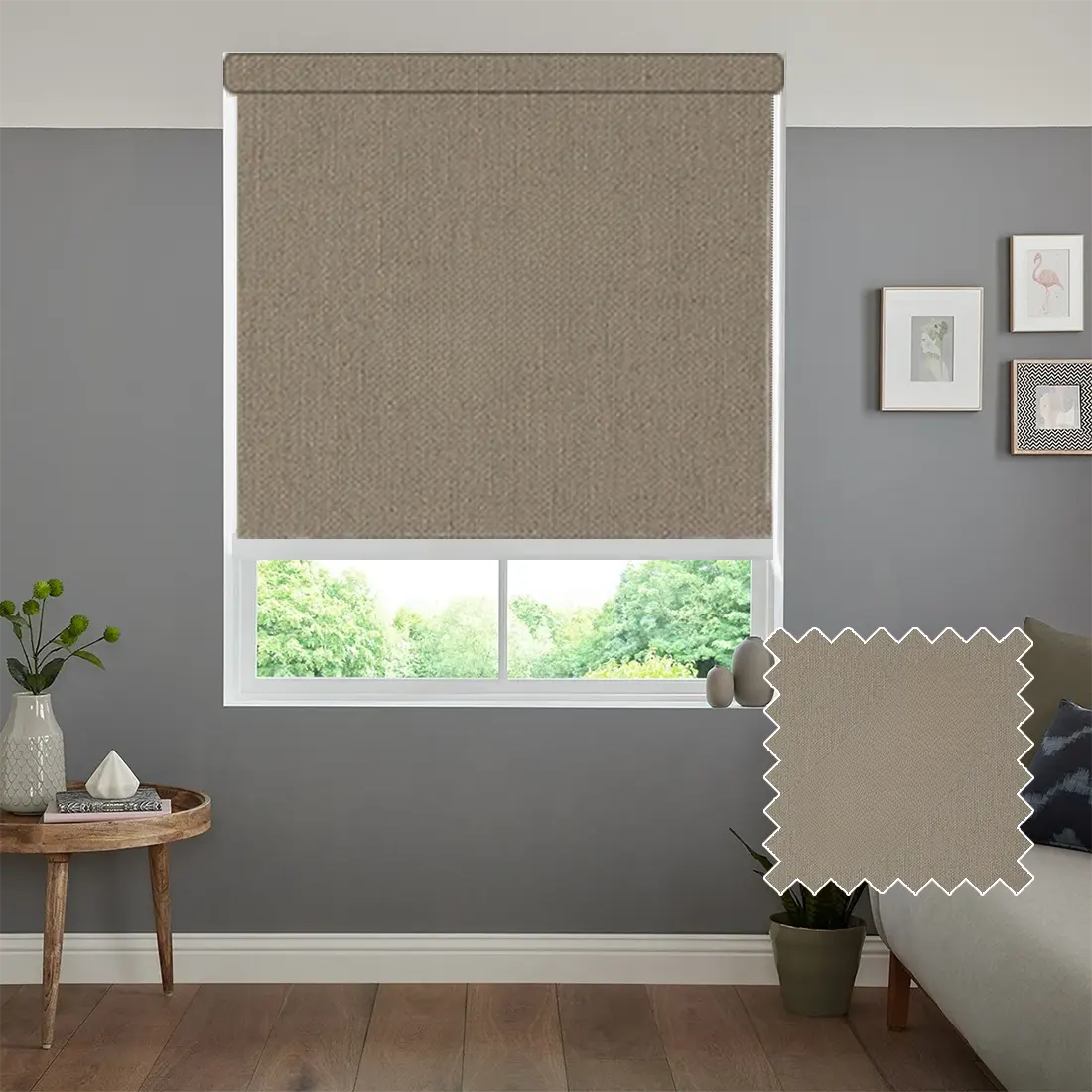
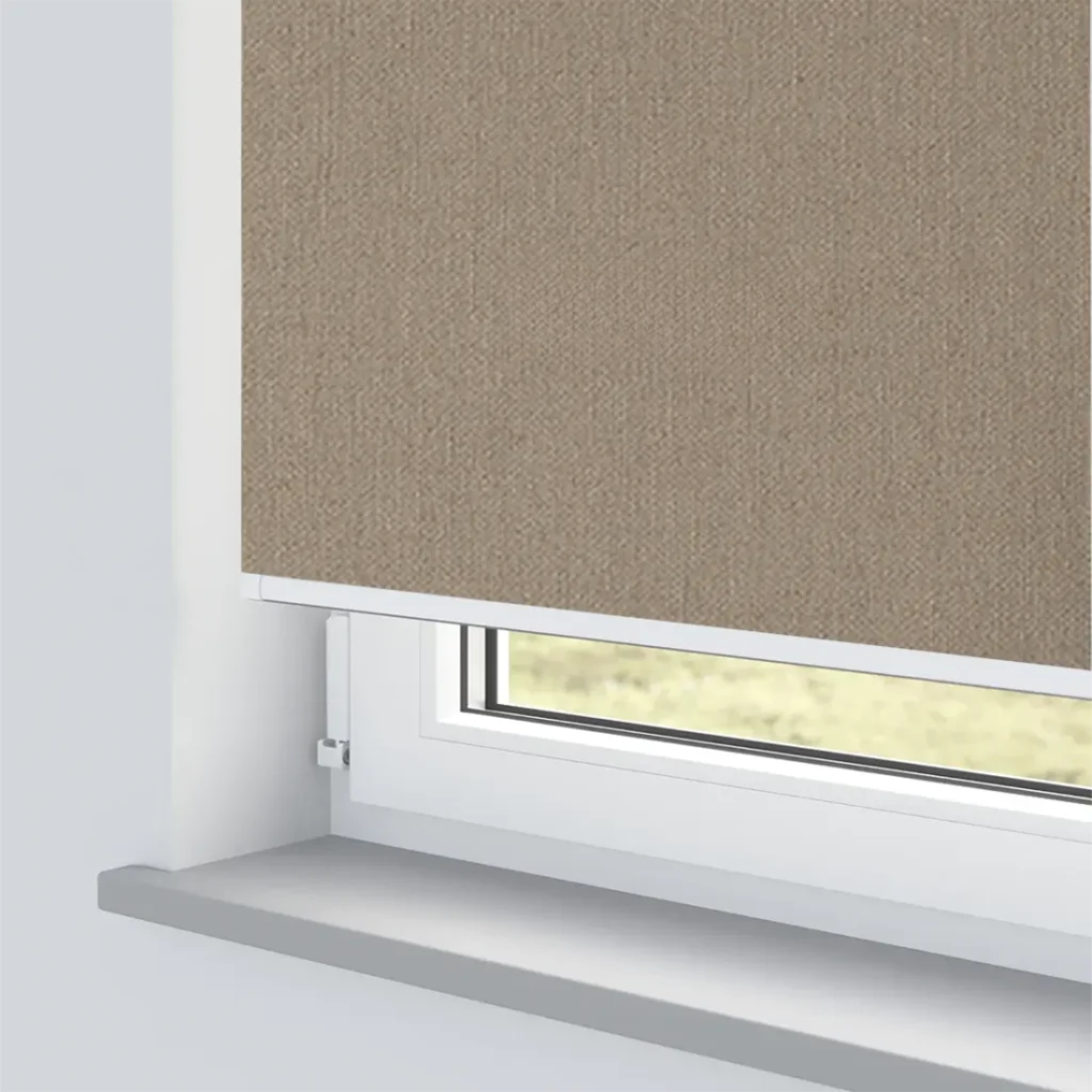
Our roller blind has a natural weave texture that is ideal for adding a stylish look inside your home.
IMPORTANT: Please be aware that colours may appear different on various screens or devices due to display settings.
Each roller blind is carefully packed with all fittings included. Inside your parcel you will find:
€ 36.82
Roller Only Measurement (Inside the Window Recess)
To fit the blind inside the recess, measure the full width and height of the recessed area from wall to wall.
Inside Recess Measurement
Take three width measurements inside the window recess – at the top, the middle, and the bottom. Then take three height measurements – on the left, right, and centre.
Guide for Inside Recess Fitting
Always use a steel tape measure to take exact sizes in centimetres, measured to the nearest millimetre. Use the smallest size for placing your order. The factory will make the necessary deductions to ensure that recess blinds fit properly.
Take care to measure around obstructions such as tiles, rails, or handles to make sure the blind is positioned correctly.
Outside Recess Measurement
For blinds fitted outside the recess, they will be made to the exact sizes you provide, with no deductions made.
Guide for Outside Recess Fitting
Measure the exact area you want the blind to cover. To reduce sunlight, allow an overlap of about 6 cm on each side and 7 cm at the top of the window. The overlap at the bottom is optional.
Always check for obstacles such as tiles or rails to confirm the blind can be fitted in the correct place.
You can choose either:
Top Mount – fitted to an overhead surface, such as the ceiling or the top of the recess.
Face Mount – fitted to the wall or window frame outside the recess.
Position the brackets so the blind can move freely without touching handles or the window. Place both brackets loosely on the blind and hold it in the window to check the alignment before marking the position.
Attach the control-side bracket on the same side as the chain mechanism. Mark the position carefully, making sure it is level, as an uneven bracket will prevent smooth operation. Drill holes and fix it firmly in place, using raw plugs when attaching to a wall.
Insert one side of the blind into the mounted bracket. Then hold the second bracket in place at the other end, mark its position, check it is level with the first, and drill the holes. Fix it into place securely, again using raw plugs if required.
Mounting the Blind
Insert the pin end of the blind into the pin bracket. The spring-loaded pin makes it easier to mount and remove the blind. Then insert the chain mechanism end into the control bracket. Make sure the central lug points downwards and locks properly into the cross-shaped slot of the bracket.
Operating the Blind
After installation, use the chain to raise and lower the blind smoothly.
P-Clip Installation
The safety device must be placed as far away from the control mechanism as possible to stop the looped chain from hanging loosely.
Feed the chain through the P-clip so it is tight. Position the clip at the lowest part of the chain loop, making sure the chain can move freely. Fix the tensioning device to the wall securely so the chain stays permanently tight and under safe tension.